Second Hand Tailoring Machine: The Smart Choice for Affordable and Professional Sewing
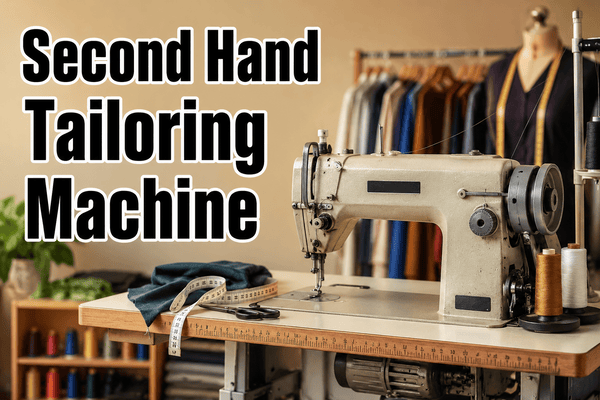
The demand for a second hand tailoring machine continues to grow among professional tailors, fashion designers, alteration specialists, and sewing enthusiasts. Purchasing a used tailoring machine can be a practical and cost-effective way to access high-quality equipment without spending a large amount of money on a brand-new model.
Whether you are starting a tailoring business, expanding your workshop, or simply looking for a reliable sewing machine at a lower cost, understanding the benefits, features, and buying considerations of second-hand machines can help you make a better investment.
In this guide, we will explore everything you need to know about buying a second hand tailoring machine, including its advantages, important features, pricing factors, and tips for selecting the right machine.
Why Choose a Second Hand Tailoring Machine?
A tailoring machine is one of the most important tools in the garment industry. While new machines offer modern features, second-hand models often provide excellent value for money.
Some of the key reasons people choose used tailoring machines include:
- Lower purchase cost
- Access to premium machine brands at affordable prices
- Proven durability and performance
- Reduced business startup expenses
- Environmentally friendly purchasing choice
For many small tailoring businesses, buying a second hand tailoring machine allows them to allocate more resources toward materials, marketing, and business growth.
Benefits of Buying a Used Tailoring Machine
Cost Savings
One of the biggest advantages is affordability. Many used machines are available at significantly lower prices than new models while still offering reliable performance.
Professional-Grade Equipment
Industrial sewing machines are built to withstand years of continuous use. Even after being used, many machines remain capable of delivering professional-quality stitching.
Faster Return on Investment
Since the initial purchase cost is lower, business owners can recover their investment more quickly through tailoring services and garment production.
Easy Availability
Second-hand machines are widely available through sewing machine dealers, workshops, and private sellers.
Types of Second Hand Tailoring Machines
Different tailoring tasks require different machine types. Understanding these categories can help buyers select the most suitable option.
Straight Stitch Machines
These are the most commonly used tailoring machines. They are suitable for:
- Garment construction
- Shirt stitching
- Trouser making
- General alterations
Straight stitch machines are ideal for beginners and professional tailors alike.
Zigzag Sewing Machines
These machines can create both straight and zigzag stitches, making them suitable for decorative stitching and flexible fabrics.
Overlock Machines
Overlock machines are used to finish fabric edges and prevent fraying. They are commonly used in garment manufacturing and professional tailoring shops.
Heavy-Duty Industrial Machines
Industrial tailoring machines are designed for high-volume production and continuous operation. They are often preferred by established tailoring businesses.
Features to Look for in a Second Hand Tailoring Machine
Before purchasing a used machine, it is important to inspect its overall condition and functionality.
Stitch Quality
Always test the machine on different fabric types. A good machine should produce even, consistent stitches without skipped stitches or thread breakage.
Motor Performance
The motor should operate smoothly without excessive noise, vibration, or overheating.
Machine Condition
Inspect the machine for:
- Rust
- Cracks
- Missing parts
- Excessive wear
A well-maintained machine will generally offer better long-term performance.
Spare Parts Availability
Choose machine brands that have readily available spare parts. This makes maintenance and repairs easier in the future.
Ease of Maintenance
Machines with simple mechanical systems are often easier and less expensive to maintain.
Second Hand Tailoring Machine Price: What Affects Cost?
The second hand tailoring machine price can vary significantly depending on several factors.
Brand Reputation
Machines from well-known manufacturers typically command higher prices due to their reliability and durability.
Machine Age
Newer used machines generally cost more than older models, especially if they include modern features.
Condition
Machines in excellent working condition usually have a higher resale value.
Included Accessories
The presence of accessories such as tables, motors, pedals, thread stands, and attachments can influence pricing.
Machine Type
Industrial machines are usually more expensive than domestic sewing machines because they are designed for commercial use.
Best Industries That Use Second Hand Tailoring Machines
Used tailoring machines are popular across various sectors.
Clothing Alteration Shops
Alteration businesses frequently use second-hand machines because they provide excellent value and reliable performance.
Fashion Designers
Many independent designers start with used equipment to reduce startup costs.
Garment Manufacturing
Small-scale garment manufacturers often purchase second-hand industrial machines to expand production capacity.
Home-Based Tailoring Businesses
Individuals operating from home can benefit from affordable, professional-quality equipment.
Tips for Buying a Second Hand Tailoring Machine
Test Before Purchase
Always test the machine if possible. Check stitch quality, speed, and overall operation.
Ask About Service History
A machine that has been regularly maintained is generally a safer investment.
Inspect All Components
Ensure that essential components are present and functioning correctly.
Compare Multiple Options
Take time to compare different models and sellers before making a decision.
Consider Future Needs
Choose a machine that can support your future business growth rather than only meeting current requirements.
Common Mistakes to Avoid
Many buyers make avoidable mistakes when purchasing used sewing equipment.
Buying Solely Based on Price
The cheapest machine is not always the best value. Focus on quality and reliability.
Ignoring Maintenance Requirements
Older machines may require servicing. Factor maintenance costs into your budget.
Skipping Inspection
Never purchase a machine without thoroughly inspecting its condition.
Choosing the Wrong Machine Type
Different sewing projects require different machine capabilities. Select a machine that aligns with your intended use.
How to Maintain a Second Hand Tailoring Machine
Proper maintenance can significantly extend the lifespan of a used tailoring machine.
Regular Cleaning
Remove dust, lint, and fabric debris after each use.
Lubrication
Apply machine oil according to manufacturer recommendations.
Needle Replacement
Replace worn needles regularly to maintain stitch quality.
Professional Servicing
Schedule periodic servicing to identify and address potential issues early.
The Future of the Used Tailoring Machine Market
As sustainability becomes increasingly important, many businesses and individuals are choosing second-hand equipment instead of purchasing new products. This trend is helping reduce waste while making professional tailoring equipment more accessible.
The growing popularity of entrepreneurship, home-based businesses, and small tailoring workshops continues to drive demand for quality second hand tailoring machines worldwide.
Quick Info About Second Hand Tailoring Machine
| Feature | Information |
|---|---|
| Primary Use | Sewing, alterations, garment production |
| Suitable For | Tailors, designers, home businesses |
| Cost Advantage | Lower than new machines |
| Maintenance | Regular cleaning and oiling required |
| Popular Types | Straight stitch, zigzag, overlock, industrial |
| Business Benefit | Lower startup investment |
| Durability | High when properly maintained |
FAQs About Second Hand Tailoring Machine
Is a second hand tailoring machine worth buying?
Yes. A well-maintained used machine can provide excellent performance at a significantly lower cost than a new machine.
What is the average second hand tailoring machine price?
Prices vary depending on the machine type, brand, age, condition, and included accessories.
How do I know if a used tailoring machine is in good condition?
Check stitch quality, motor performance, machine condition, and maintenance history before purchasing.
Can a second hand tailoring machine be used professionally?
Absolutely. Many professional tailors and garment businesses use second-hand industrial machines successfully.
How long can a used tailoring machine last?
With proper maintenance and regular servicing, a quality tailoring machine can remain functional for many years.
What is the best type of used tailoring machine for beginners?
A straight stitch sewing machine is often the best choice because it is simple, reliable, and versatile.
Conclusion
A second hand tailoring machine offers an affordable and practical solution for tailors, designers, and entrepreneurs seeking reliable sewing equipment. By carefully evaluating machine condition, features, and long-term value, buyers can secure professional-quality performance without the high cost of new equipment. Whether for home use or commercial tailoring operations, a quality used machine can be a smart investment that supports productivity, profitability, and business growth.