Peter Gabriel Album Covers: Iconic Art, Meaning, and Visual Evolution Explained
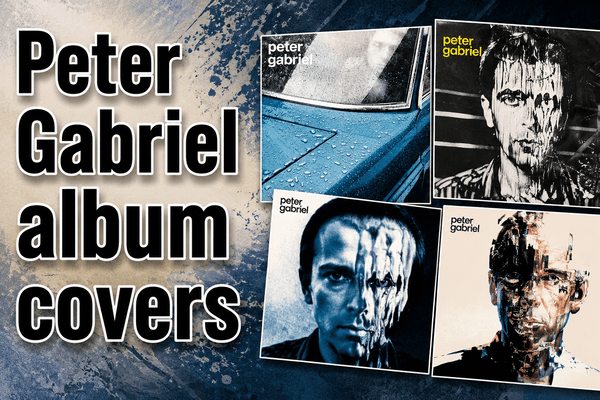
Peter Gabriel album covers are widely regarded as some of the most creative and visually striking in modern music history. Unlike many artists who rely on simple portraits or commercial photography, Peter Gabriel developed a strong identity through experimental, conceptual, and often surreal artwork.
From his early solo career in the late 1970s to his later releases, each album cover reflects a deeper artistic idea connected to identity, transformation, technology, and human emotion. These covers were not just packaging—they were an extension of the music itself.
In this article, we explore the full story behind Peter Gabriel album covers, their meaning, evolution, and why they remain influential in music and design culture today.
The Artistic Vision Behind Peter Gabriel Album Covers
A Visual Identity Beyond Music
Peter Gabriel’s solo career began after leaving Genesis, and he quickly established a unique approach: every album would have a strong visual identity. Instead of repeating a single style, he collaborated with designers to create experimental imagery that challenged traditional album art norms.
Collaboration with Creative Designers
Much of his early work was created in collaboration with the design group Hipgnosis, known for their surreal and innovative album covers. Their techniques included photography manipulation, physical distortion, and analog effects long before digital editing existed.
Core Themes Across His Album Covers
- Identity and self-reflection
- Psychological tension
- Transformation and distortion
- Technology and surveillance
- Human emotion and vulnerability
These themes became a consistent visual language throughout his career.
Peter Gabriel 1 Album Cover Car, and Early Visual Identity
“Peter Gabriel 1 Album Cover Car,” (1977)
The debut solo album cover is often referred to as “Car”, and it remains one of the most recognizable images in rock history.
The cover features Peter Gabriel sitting inside a car, captured in a natural yet slightly stylized photographic composition. While it appears simple at first glance, the image reflects transition and departure—symbolizing Gabriel’s exit from Genesis and his new solo direction.
Why the Car Concept Matters
The “car” imagery represents movement and independence. It visually communicates a personal journey, aligning with the album’s experimental sound. This cover set the foundation for his future visual storytelling style.
Design Characteristics
- Real-life photography
- Minimal manipulation
- Symbolic storytelling through setting
- Focus on mood rather than complexity
Scratch – Distortion and Fragmentation (1978)
The second album introduced a more experimental visual direction. Known as “Scratch”, this cover shows a heavily altered portrait of Peter Gabriel with visible tearing and distortion effects.
Artistic Meaning
This design represents fragmentation of identity and emotional tension. It visually suggests internal conflict and psychological layering.
Design Techniques
- Physical photo cutting and reconstruction
- Manual image manipulation
- Pre-digital collage methods
- Intentional visual disruption
The result is a raw and unsettling aesthetic that reflects the experimental nature of the music.
Melt – The Iconic Distorted Face (1980)
A Defining Moment in Album Cover Design
The third album, commonly called “Melt”, is one of the most famous Peter Gabriel album covers ever created. It features a portrait of Gabriel with a melting, distorted facial appearance.
Visual Symbolism
The melting effect represents emotional instability, transformation, and fluid identity. It suggests that human identity is not fixed but constantly changing.
Technical Execution
- Photographic distortion techniques
- Analog image manipulation
- Experimental lighting and exposure methods
This cover became highly influential in both music and graphic design communities.
Security – Technology and Surveillance Aesthetics (1982)
A Shift Toward Mechanical Distortion
The fourth album, known as “Security”, introduces a colder and more technological visual style. The cover features a distorted and abstract representation of Peter Gabriel’s face.
Conceptual Meaning
This design explores themes of surveillance, identity control, and technological influence on human perception. It reflects the growing role of machines and media in shaping reality.
Design Approach
- Video and mirror distortion techniques
- Sculptural visual effects
- Mechanical image manipulation
- Cold, industrial visual tone
Evolution of Peter Gabriel Album Covers
From Natural to Abstract
The progression of Peter Gabriel album covers shows a clear evolution:
- 1977: Natural and grounded imagery
- 1978: Fragmented identity
- 1980: Emotional distortion
- 1982: Technological abstraction
Consistent Use of Facial Imagery
One of the most distinctive features of Peter Gabriel album covers is the repeated use of his own face. This created a continuous visual narrative across albums, making each release part of a larger artistic story.
Design Influence and Legacy
Peter Gabriel album covers influenced many designers and musicians by proving that album art could be conceptual and experimental rather than purely decorative. His visual identity helped shape the standards for progressive rock and art rock aesthetics.
Designers today still reference these covers when exploring themes of identity distortion, minimalism, and surreal portrait photography.
Quick Info About Peter Gabriel Album Covers
- Most early covers designed with Hipgnosis
- Strong focus on experimental portrait photography
- Covers reflect emotional and psychological themes
- Each album builds a visual narrative of transformation
- Known for analog-era creative techniques
- Covers are considered milestones in music design history
FAQs About Peter Gabriel Album Covers
Why are Peter Gabriel album covers so famous?
They are famous because they combine experimental art techniques with deep conceptual meaning, making them more than just album packaging.
What is the meaning of the Peter Gabriel 1 album cover car?
The “car” cover represents transition, independence, and the beginning of Peter Gabriel’s solo journey after leaving Genesis.
Who designed Peter Gabriel album covers?
Most early covers were designed by the creative group Hipgnosis, known for their innovative and surreal album artwork.
Why does Peter Gabriel use distorted faces on his albums?
The distorted faces symbolize identity, emotional change, and the idea that human perception is unstable and evolving.
Are Peter Gabriel album covers connected to each other?
Yes, the early covers form a visual series showing the transformation of identity over time.
Conclusion
Peter Gabriel album covers remain some of the most important visual works in music history. From the simple realism of the “Car” album to the abstract distortion of “Security,” each cover tells a story about identity, transformation, and artistic experimentation.
These covers are not just images—they are a visual extension of Peter Gabriel’s music and creative philosophy.