Cost of Sainsbury’s Petrol: Latest Prices, Factors, and Money-Saving Tips
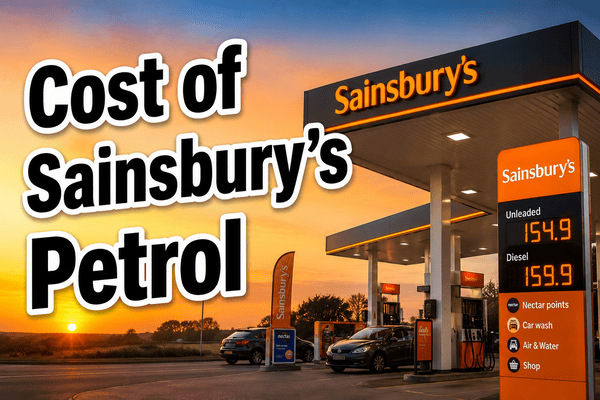
Fuel prices remain one of the biggest concerns for UK drivers, and many people regularly search for the cost of Sainsbury’s petrol to find affordable options for daily travel. Sainsbury’s is one of the leading supermarket fuel providers in the United Kingdom, offering competitive petrol and diesel prices across many locations. Drivers often choose Sainsbury’s petrol stations because they combine convenience, quality fuel, and supermarket loyalty rewards.
The cost of petrol changes frequently due to several factors, including crude oil prices, taxes, exchange rates, and local competition. Understanding how Sainsbury’s sets fuel prices can help motorists make smarter decisions and save money over time.
In this article, you will learn about the average cost of Sainsbury’s petrol, factors affecting fuel prices, comparisons with competitors, ways to save money, and frequently asked questions.
Understanding the Cost of Sainsbury’s Petrol
Sainsbury’s petrol prices are generally considered competitive when compared with other supermarket fuel retailers in the UK. Prices vary depending on location and market conditions, but supermarket chains often attempt to keep rates lower than many independent fuel stations.
Most Sainsbury’s stations offer:
- Regular unleaded petrol
- Super unleaded petrol
- Diesel fuel
- Premium diesel options at selected stations
The average price for regular unleaded petrol at Sainsbury’s is usually close to the national supermarket average. Prices can differ by a few pence per litre between regions due to transportation costs and local competition.
Why Petrol Prices Change Frequently
Global Crude Oil Prices
One of the biggest influences on fuel prices is the global crude oil market. When oil prices increase internationally, petrol prices at UK stations often rise shortly afterward.
Government Fuel Duty and VAT
A large portion of petrol costs in the UK comes from fuel duty and Value Added Tax (VAT). Changes in taxation policies can directly impact the price consumers pay at the pump.
Currency Exchange Rates
Oil is traded globally in US dollars. If the British pound weakens against the dollar, importing fuel becomes more expensive for UK companies.
Local Competition
Sainsbury’s often adjusts petrol prices based on nearby competitors. Areas with multiple supermarket fuel stations may experience lower prices due to competition.
Seasonal Demand
Fuel demand can rise during holidays and travel seasons, which sometimes leads to temporary price increases.
How Sainsbury’s Petrol Compares With Other Supermarkets
Sainsbury’s vs Tesco
Both supermarket chains are known for competitive pricing. Tesco may occasionally offer lower prices in certain regions, while Sainsbury’s can be cheaper in others.
Sainsbury’s vs Asda
Asda is widely recognized for aggressive fuel pricing and often ranks among the cheapest supermarket petrol providers. However, Sainsbury’s remains highly competitive.
Sainsbury’s vs Morrisons
Morrisons also offers affordable fuel, especially in areas where supermarket competition is strong. Prices between Morrisons and Sainsbury’s are usually very close.
Independent Petrol Stations
Independent stations often charge more than supermarkets because they operate on a smaller scale and may have higher operational costs.
Benefits of Buying Petrol From Sainsbury’s
Choosing Sainsbury’s petrol stations comes with several advantages beyond pricing.
Nectar Rewards
Sainsbury’s customers can earn Nectar points on qualifying purchases. These points can later be redeemed for discounts and rewards.
Convenient Locations
Many Sainsbury’s fuel stations are attached to supermarkets, allowing drivers to combine grocery shopping with refueling.
Quality Fuel Standards
Sainsbury’s fuel meets UK regulatory standards and is suitable for modern vehicles.
Competitive Pricing
Supermarket fuel stations generally aim to attract customers with lower fuel prices compared to traditional stations.
Tips to Save Money on Petrol
Fuel expenses can quickly add up, especially for daily commuters. Here are practical ways to reduce petrol costs.
Compare Local Fuel Prices
Prices can vary significantly between nearby stations. Checking local rates before filling up can save money.
Use Loyalty Programs
Taking advantage of Nectar rewards can provide long-term savings.
Drive Efficiently
Smooth acceleration, maintaining proper tyre pressure, and reducing unnecessary idling can improve fuel efficiency.
Avoid Peak Traffic
Heavy traffic increases fuel consumption. Planning travel during less congested times can reduce costs.
Maintain Your Vehicle
Regular servicing helps engines run efficiently and consume less fuel.
Factors That Affect Regional Petrol Prices
Petrol prices are not identical across the UK. Several regional factors influence pricing.
Transportation Costs
Fuel delivery expenses can be higher in remote areas.
Urban vs Rural Demand
Cities with more fuel stations often experience stronger price competition.
Local Market Competition
Areas with multiple supermarkets usually offer better fuel deals.
Is Sainsbury’s Petrol Good Quality?
Many drivers wonder whether supermarket petrol is lower quality than fuel sold by major oil brands. In reality, all petrol sold in the UK must meet strict national standards.
Sainsbury’s petrol is considered reliable for regular driving needs. Modern fuels also contain additives designed to maintain engine performance and efficiency.
Premium fuel options available at some stations may provide additional engine-cleaning benefits, especially for high-performance vehicles.
Future Trends in Petrol Prices
Fuel prices are expected to continue fluctuating due to international economic conditions and environmental policies. Several trends could shape future costs.
Electric Vehicle Growth
As electric vehicles become more popular, long-term demand for petrol may gradually decrease.
Environmental Regulations
Governments may introduce stricter emissions rules, affecting fuel production and pricing.
Global Energy Markets
Political events and supply disruptions can still significantly impact oil prices worldwide.
Quick Info About the Cost of Sainsbury’s Petrol
| Information | Details |
|---|---|
| Fuel Provider | Sainsbury’s |
| Fuel Types | Unleaded, Super Unleaded, Diesel |
| Main Advantage | Competitive supermarket pricing |
| Loyalty Program | Nectar Rewards |
| Price Variation | Depends on region and competition |
| Typical Customers | Daily commuters and families |
| UK Coverage | Available across many UK locations |
FAQs About the Cost of Sainsbury’s Petrol
Is Sainsbury’s petrol cheaper than other stations?
Sainsbury’s petrol is often competitively priced and can be cheaper than many independent stations. Prices vary by location.
Does Sainsbury’s offer premium petrol?
Yes, some stations offer premium fuel options in addition to regular unleaded and diesel.
Can I earn Nectar points on petrol purchases?
Customers may earn Nectar rewards on qualifying purchases depending on current promotional policies.
Why do petrol prices change daily?
Prices are influenced by crude oil costs, taxes, currency exchange rates, and local market competition.
Is supermarket petrol safe for all vehicles?
Yes, supermarket petrol sold in the UK must meet official fuel quality standards.
Are Sainsbury’s petrol stations available nationwide?
Sainsbury’s operates many fuel stations across the UK, mainly attached to supermarket locations.
Final Thoughts
The cost of Sainsbury’s petrol remains an important topic for UK drivers looking to manage travel expenses effectively. Sainsbury’s continues to attract customers with competitive fuel pricing, convenient locations, and loyalty rewards through Nectar. While prices fluctuate due to global and local market factors, drivers can still save money by comparing fuel rates, driving efficiently, and using rewards programs wisely.