John charles dresses: Elegant Occasionwear That Defines Timeless Fashion
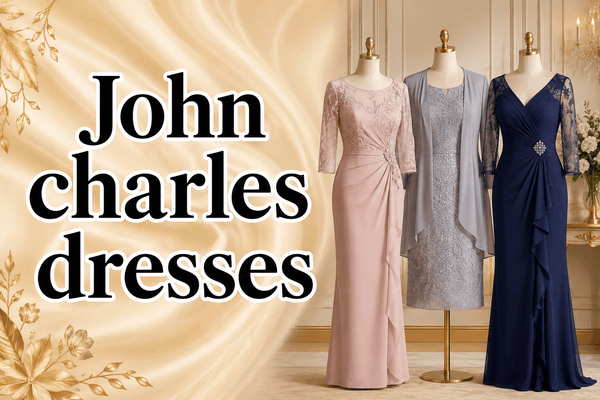
John Charles dresses have become a symbol of elegance, sophistication, and luxury occasionwear in the fashion industry. Known for their graceful silhouettes, premium fabrics, and detailed craftsmanship, these dresses are especially popular among women attending weddings, formal gatherings, and prestigious social events. Over the years, the brand has built a strong reputation for creating outfits that combine classic British fashion with modern trends.
Whether you are searching for a stylish evening gown, a refined wedding guest outfit, or the perfect mother of the bride ensemble, John Charles offers a wide variety of designs that suit different tastes and body shapes. Their collections are admired for balancing comfort with glamour, making them a preferred choice for women who want to look elegant without sacrificing confidence.
This article explores everything about John Charles dresses, including their history, style collections, sizing, fashion trends, and why they continue to dominate the luxury occasionwear market.
Table of Contents
ToggleThe Legacy Behind John Charles Dresses
John Charles is a respected British fashion label with decades of experience in occasionwear design. The brand gained popularity for producing sophisticated outfits tailored for weddings, formal ceremonies, and elite social occasions.
From the beginning, the company focused on delivering high-quality garments with exceptional tailoring. Unlike fast-fashion brands, John Charles built its reputation through timeless fashion pieces that remain stylish year after year.
Today, the brand is widely recognized in luxury boutiques and designer fashion stores across the United Kingdom and internationally.
Why John Charles Dresses Are So Popular
Many women prefer John Charles dresses because they offer a perfect combination of elegance, comfort, and premium quality.
Luxury Fabric Selection
The brand uses high-end fabrics such as:
- Chiffon
- Satin
- Lace
- Crepe
- Organza
These materials help create flowing and flattering designs suitable for formal events.
Sophisticated Tailoring
Each dress is designed with careful attention to fit and structure. The tailoring enhances body shape while maintaining a classy and refined appearance.
Timeless Fashion Appeal
John Charles dresses do not follow short-term fashion trends alone. Instead, they focus on timeless elegance, which makes their collections wearable for years.
Exclusive Occasionwear Designs
The dresses often feature:
- Hand embellishments
- Floral embroidery
- Beaded detailing
- Elegant sleeves
- Structured bodices
These details give every outfit a luxurious finish.
john charles mother of the bride dresses
Why Mothers Choose John Charles for Weddings
John Charles mother of the bride dresses are among the most admired collections in luxury wedding fashion. Mothers of the bride often want an outfit that looks graceful, modern, and sophisticated without overshadowing the bride. John Charles successfully achieves this balance.
The collection is designed specifically for mature women who want elegance with comfort. These dresses are available in flattering cuts that suit different ages and body types.
Popular Features of Mother of the Bride Dresses
Some standout features include:
- Midi and full-length styles
- Matching jackets
- Soft pastel shades
- Embroidered details
- Flattering waistlines
- Elegant sleeve options
The dresses are ideal for church weddings, garden ceremonies, luxury receptions, and destination weddings.
Best Colors for Mother of the Bride Dresses
Popular shades include:
- Navy blue
- Silver grey
- Champagne
- Dusty pink
- Lavender
- Emerald green
These colors create a sophisticated appearance while complementing modern wedding themes.
Different Types of John Charles Dresses
John Charles offers a wide range of occasionwear collections.
Evening Dresses
These dresses are perfect for:
- Gala dinners
- Luxury parties
- Formal receptions
- Award ceremonies
Evening dresses often feature shimmering embellishments, dramatic silhouettes, and elegant necklines.
Wedding Guest Dresses
Wedding guest collections focus on stylish yet respectful designs suitable for wedding celebrations. They usually include floral patterns, soft fabrics, and comfortable cuts.
Cocktail Dresses
Cocktail dresses from John Charles combine modern elegance with youthful sophistication. These outfits are ideal for semi-formal gatherings and upscale events.
Couture Occasionwear
The couture-inspired range includes highly detailed garments designed for premium fashion lovers who want standout outfits.
How John Charles Dresses Fit Different Body Types
One of the biggest strengths of the brand is its flattering tailoring.
For Petite Women
Shorter hemlines and fitted waist designs help petite women achieve a balanced silhouette.
For Curvy Figures
Structured bodices and flowing skirts create elegant curves while maintaining comfort.
For Tall Women
Long gowns and dramatic cuts work beautifully for taller body frames.
For Mature Women
The brand specializes in sophisticated designs that provide style without appearing overly youthful or revealing.
Latest Fashion Trends in John Charles Dresses
Fashion trends continue evolving, and John Charles keeps updating its collections while preserving timeless elegance.
Floral Embroidery
Floral embroidery remains highly popular in wedding and occasionwear fashion.
Cape Sleeves
Cape-style sleeves are trending because they add drama and sophistication.
Metallic Shades
Silver, champagne, and metallic tones are increasingly common in modern collections.
Minimalist Luxury
Simple silhouettes with elegant detailing are becoming more fashionable than heavily decorated designs.
Styling Tips for John Charles Dresses
Wearing the right accessories can enhance the beauty of these elegant outfits.
Shoes
Neutral heels or metallic sandals pair beautifully with occasion dresses.
Jewelry
Pearls, diamonds, and delicate jewelry complement the sophisticated designs.
Hats and Fascinators
For weddings, stylish fascinators can complete the overall mother of the bride look.
Handbags
Small clutch bags in matching tones create a polished appearance.
Are John Charles Dresses Worth the Price?
John Charles dresses are considered premium occasionwear, which means they are more expensive than standard fashion brands. However, many customers believe the investment is worthwhile because of:
- Superior quality
- Long-lasting materials
- Timeless style
- Elegant tailoring
- Luxury appearance
These dresses are often worn multiple times for different events due to their classic designs.
How to Choose the Perfect John Charles Dress
Choosing the right dress depends on several factors.
Consider the Event Type
Formal weddings require different styles compared to evening parties or cocktail events.
Focus on Comfort
Comfort is important, especially for long celebrations and receptions.
Choose the Right Color
Select shades that complement your skin tone and the event theme.
Prioritize Proper Fit
Professional tailoring can make a huge difference in achieving a luxurious appearance.
Quick Info About John Charles Dresses
| Feature | Details |
|---|---|
| Brand Origin | United Kingdom |
| Specialty | Luxury occasionwear |
| Popular Category | Mother of the bride dresses |
| Style Focus | Elegant and timeless fashion |
| Common Fabrics | Satin, chiffon, lace |
| Best For | Weddings and formal events |
| Size Range | Various inclusive sizes |
| Fashion Style | Classic British elegance |
FAQs About John Charles Dresses
Are John Charles dresses suitable for weddings?
Yes, John Charles dresses are especially popular for weddings, including mother of the bride and wedding guest outfits.
What makes John Charles dresses unique?
Their elegant tailoring, luxury fabrics, and timeless designs make them stand out in occasionwear fashion.
Are John Charles mother of the bride dresses comfortable?
Yes, the dresses are designed to provide both comfort and sophistication for long wedding celebrations.
Which colors are most popular?
Navy, silver, champagne, blush pink, and emerald green are among the most popular choices.
Can younger women wear John Charles dresses?
Absolutely. While the brand is famous for mature occasionwear, many younger women also choose the dresses for formal events.
Are John Charles dresses true to size?
Most customers find the dresses true to size, although professional alterations can improve the fit further.
Conclusion
John Charles dresses continue to lead the luxury occasionwear industry because of their timeless beauty, premium craftsmanship, and elegant designs. Whether you are searching for a glamorous evening gown or sophisticated john charles mother of the bride dresses, the brand offers stylish options that suit every formal occasion.
Their dedication to quality, flattering tailoring, and classic British fashion ensures that women feel confident and elegant at weddings, parties, and special celebrations. As occasionwear trends evolve, John Charles remains a trusted name for sophisticated fashion that never goes out of style.