Patterns Counted Cross Stitch: Complete Guide to Designs, Techniques, and Creative Stitching Success
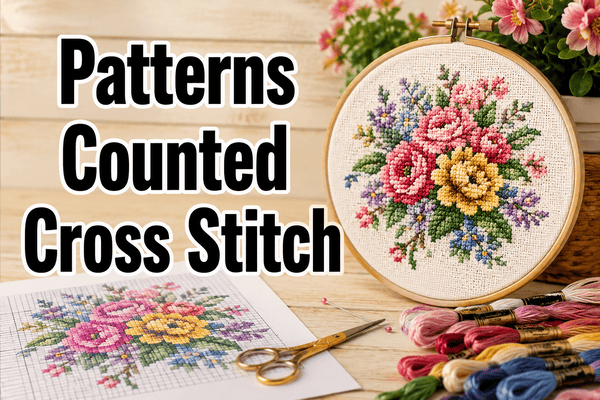
Patterns counted cross stitch is one of the most popular forms of embroidery and needlework used across the world. It is a creative technique where designs are created by counting threads on fabric instead of following a printed outline. This method allows stitchers to produce highly detailed, pixel-like artwork using colored threads.
Unlike stamped embroidery, counted cross stitch gives full control to the artist, making every piece unique and precise. From simple beginner designs to complex artistic masterpieces, this craft has something for everyone.
Table of Contents
ToggleWhat Are Patterns Counted Cross Stitch?
Patterns counted cross stitch are symbolic charts that guide you on how to place stitches on fabric. Each symbol in the chart represents a specific thread color and stitch placement.
How the Pattern Works
- The pattern is shown as a grid
- Each square represents one stitch
- Symbols in squares indicate thread colors
- You follow the grid by counting fabric threads
Why It Is Called “Counted”
It is called “counted” because you do not trace or print the design. Instead, you count threads on fabric to position every stitch correctly.
Common Materials Used
- Aida cloth (most popular fabric)
- Embroidery floss (cotton threads)
- Cross stitch needle
- Pattern chart (printed or digital)
Types of Patterns Counted Cross Stitch Designs
Patterns come in a wide variety of styles and themes, allowing stitchers to explore creativity.
Floral and Nature Patterns
Floral designs are among the most common counted cross stitch patterns. These include roses, sunflowers, leaves, and garden scenes. They are ideal for home decoration and gifts.
Animal and Wildlife Patterns
Animal designs such as birds, cats, dogs, and wild animals are very popular. They often require multiple colors and shading techniques.
Landscape Patterns
These patterns include mountains, rivers, sunsets, forests, and countryside views. They are slightly advanced due to color blending and detail work.
Abstract and Geometric Patterns
Modern cross stitch includes geometric shapes and abstract designs. These are ideal for contemporary home decor.
Counted Cross Stitch Alphabet Patterns
Counted cross stitch alphabet patterns are designs that allow stitchers to create letters and words using cross stitch techniques.
Uses of Alphabet Patterns
- Personalized gifts (names and initials)
- Baby birth announcements
- Home decor signs
- Monograms on towels and clothes
Styles of Alphabet Patterns
- Classic serif fonts
- Modern block letters
- Decorative floral alphabets
- Vintage stitched lettering
Why They Are Popular
Alphabet patterns are simple yet powerful because they allow customization. Beginners often start with alphabets before moving to complex designs.
Counted Cross Stitch Patterns for Christmas
Counted cross stitch patterns for Christmas are seasonal designs that bring festive creativity to life.
Common Christmas Designs
- Christmas trees
- Santa Claus figures
- Snowflakes and snowmen
- Reindeer and winter scenes
- Christmas ornaments
Where They Are Used
- Christmas decorations
- Handmade greeting cards
- Tablecloth and stockings
- Wall hangings
Why They Are Special
These patterns are highly colorful and festive. They are often used as handmade gifts, making them meaningful and personal.
How to Make a Counted Cross Stitch Pattern
Creating your own counted cross stitch pattern is a creative and rewarding process.
Step 1 – Choose an Image
Select a simple image with clear shapes and limited colors. Complex images are harder to convert.
Step 2 – Convert Image into Grid
Break the image into a square grid. Each square represents a stitch.
Step 3 – Assign Colors
Assign thread colors to each grid square. Keep a limited palette for clarity.
Step 4 – Create Symbol Chart
Use symbols like dots, circles, or letters to represent colors in the pattern.
Step 5 – Test the Pattern
Before finalizing, test a small section to ensure accuracy and visual clarity.
Techniques for Successful Counted Cross Stitch
Start from the Center
Always begin stitching from the center of the fabric. This ensures balanced design placement.
Keep Stitches Consistent
All stitches should be in the same direction for a clean and professional look.
Use Good Lighting
Proper lighting helps prevent counting mistakes.
Organize Threads
Separate threads by color to avoid confusion during stitching.
Follow Pattern Carefully
Double-check symbols and counts regularly to avoid errors.
Benefits of Counted Cross Stitch Patterns
Creative Expression
It allows individuals to express creativity through fabric art.
Stress Relief
The repetitive motion of stitching is calming and reduces stress.
Home Decoration
Finished pieces can be framed or used as decorative items.
Personalized Gifts
Handmade stitched items make meaningful gifts.
Common Mistakes to Avoid
Miscounting Stitches
One of the most common mistakes is incorrect counting, which can distort the design.
Using Wrong Fabric Count
Choosing the wrong fabric size can affect the final appearance.
Ignoring Pattern Symbols
Each symbol is important and must be followed carefully.
Quick Info & FAQs About Patterns Counted Cross Stitch
What is counted cross stitch?
It is a needlework technique where designs are created by counting threads on fabric.
Is it hard for beginners?
No, simple patterns are very beginner-friendly.
What fabric is best?
Aida cloth is the most recommended fabric for beginners.
How long does it take to finish a pattern?
It depends on size and complexity; small designs can take a few hours, large ones may take weeks.
Can I create my own pattern?
Yes, you can convert images into stitch patterns using a grid method.
Conclusion
Patterns counted cross stitch is a timeless craft that combines creativity, patience, and precision. Whether you are stitching counted cross stitch alphabet patterns for personalization, exploring counted cross stitch patterns for Christmas, or learning how to make a counted cross stitch pattern from scratch, this art form offers endless possibilities.
With practice and attention to detail, anyone can transform simple threads into beautiful, detailed artwork that lasts for years.