Dames in Pantomime: The Enduring Tradition That Brings British Theatre to Life
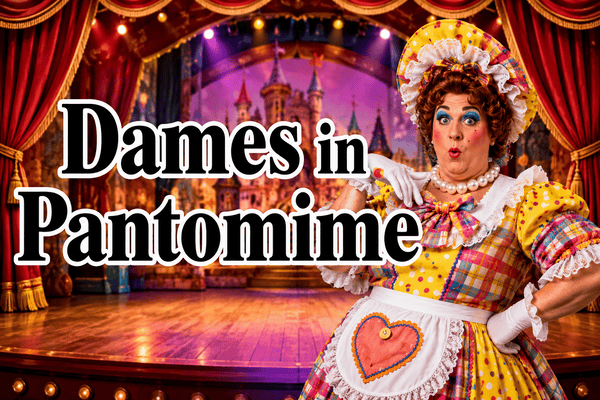
Dames in pantomime are among the most beloved and recognizable characters in British theatre. For generations, audiences have enjoyed the humor, colorful costumes, and larger-than-life personalities that these characters bring to the stage. Whether appearing as a mother, cook, nurse, or widow, the pantomime dame is often the heart of the production, creating laughter and encouraging audience participation.
The tradition of dames in pantomime has survived for centuries and remains an essential part of Christmas entertainment throughout the United Kingdom. Their unique style of comedy, extravagant fashion, and ability to connect with audiences make them a standout feature of every pantomime performance.
What Are Dames in Pantomime?
A pantomime dame is a comedic female character traditionally portrayed by a male actor. Unlike realistic theatrical portrayals, the dame is intentionally exaggerated, featuring bright costumes, oversized wigs, dramatic makeup, and humorous mannerisms.
The character is designed to entertain audiences of all ages. Dames often deliver jokes, engage directly with the audience, and create memorable comic moments throughout the show.
The role is not intended to be a realistic representation of women. Instead, it is a theatrical tradition that relies on exaggeration, humor, and audience interaction.
Common Dame Characters
Several famous dame roles appear regularly in pantomime productions:
- Widow Twankey from Aladdin
- Mother Goose from Mother Goose
- The Nurse from Sleeping Beauty
- The Cook from Dick Whittington
- The Ugly Sisters from Cinderella
Each character has its own personality, but all share the same goal of entertaining the audience through comedy and theatrical performance.
The History of Dames in Pantomime
The origins of dames in pantomime can be traced back to the development of British theatre during the eighteenth and nineteenth centuries.
As pantomime evolved into a popular form of family entertainment, theatrical traditions began incorporating comic female roles played by men. These performances became increasingly elaborate and humorous, helping establish the pantomime style known today.
Victorian Influence
The Victorian era played a significant role in shaping the modern pantomime dame. During this period, pantomime became one of Britain’s most popular forms of entertainment.
Performers developed distinctive dame characters that featured:
- Exaggerated costumes
- Physical comedy
- Audience participation
- Musical performances
- Humorous dialogue
These elements continue to define the pantomime dame today.
Dan Leno’s Contribution
One of the most influential performers in pantomime history was Dan Leno. His performances helped popularize the dame role and established many of the traditions that modern audiences still enjoy.
His talent for comedy and audience engagement made him one of the most celebrated entertainers of his time.
Why Are Dames So Important in Pantomime?
The pantomime dame serves as more than just a comic character. In many productions, the dame acts as the central source of humor and energy.
Without the dame, many pantomime performances would lose a significant part of their charm and audience appeal.
Audience Interaction
One of the defining features of dames in pantomime is their interaction with the audience.
Unlike traditional theatre, pantomime encourages audience participation. Dames often:
- Ask questions to the crowd
- Respond to audience reactions
- Deliver spontaneous jokes
- Create interactive moments
This engagement helps make each performance unique.
Family Entertainment
Pantomimes are designed for audiences of all ages. The dame plays an important role in creating humor that can be enjoyed by children, parents, and grandparents alike.
The combination of visual comedy, funny dialogue, and playful storytelling helps ensure broad appeal.
Costume and Appearance of a Pantomime Dame
One of the most memorable aspects of dames in pantomime is their appearance.
Their costumes are intentionally extravagant and often become more outrageous as the performance progresses.
Key Costume Features
A typical pantomime dame may wear:
- Brightly colored dresses
- Oversized hats
- Large wigs
- Decorative accessories
- Unusual footwear
These visual elements contribute significantly to the character’s comedic impact.
Frequent Costume Changes
Many pantomime dames change costumes multiple times during a performance.
These costume changes often become comic events in themselves, with increasingly ridiculous outfits designed to surprise and entertain the audience.
Comedy Style of Dames in Pantomime
The humor of a pantomime dame is a unique blend of theatrical traditions and modern comedy.
Physical Comedy
Physical humor is one of the dame’s greatest strengths.
Common examples include:
- Exaggerated movements
- Funny dances
- Slapstick routines
- Comedic falls
- Visual gags
These moments often generate some of the biggest laughs during a performance.
Wordplay and Jokes
Dames are also known for their clever use of language.
They frequently use:
- Puns
- Silly jokes
- Comic misunderstandings
- Funny observations
This style of humor helps maintain a lively atmosphere throughout the show.
Modern Dames in Pantomime
While the tradition is centuries old, modern pantomime dames continue to evolve.
Today’s performers often blend classic pantomime traditions with contemporary humor and cultural references. This allows productions to remain relevant while preserving the character’s historic roots.
Many theatres across the United Kingdom continue to feature pantomime dames as a central attraction during the holiday season.
Continuing Popularity
The popularity of dames in pantomime remains strong because audiences appreciate:
- Traditional theatre experiences
- Interactive entertainment
- Family-friendly comedy
- Memorable performances
Their enduring appeal demonstrates the importance of the dame within British theatrical culture.
Cultural Significance of Dames in Pantomime
Dames in pantomime represent one of the most distinctive traditions in British theatre.
They embody the spirit of pantomime through humor, creativity, and audience engagement. For many families, attending a pantomime during the Christmas season would feel incomplete without the appearance of a colorful and energetic dame.
As a result, these characters have become cultural icons and an important part of Britain’s theatrical heritage.
Conclusion
Dames in pantomime have entertained audiences for generations and remain one of the most cherished elements of British theatre. Their colorful costumes, lively personalities, and comic performances bring energy and excitement to every production.
From their historical origins to their modern-day popularity, pantomime dames continue to play a vital role in keeping this unique theatrical tradition alive. Their ability to make audiences laugh, participate, and enjoy the magic of live theatre ensures that they will remain a beloved part of pantomime for years to come.
Quick Info About Dames in Pantomime
| Feature | Details |
|---|---|
| Tradition | British Pantomime |
| Main Role | Comic female character played by a male actor |
| Popular During | Christmas and holiday season |
| Famous Characters | Widow Twankey, Mother Goose, The Nurse, The Cook |
| Purpose | Comedy, audience interaction, entertainment |
| Origins | 18th and 19th-century British theatre |
| Notable Performer | Dan Leno |
FAQs About Dames in Pantomime
What is a pantomime dame?
A pantomime dame is a comic female character traditionally played by a male actor in British pantomime productions.
Why are dames played by men?
This tradition developed as part of the historical evolution of British theatre and has remained a defining feature of pantomime.
What is the most famous pantomime dame?
Widow Twankey from Aladdin is widely regarded as one of the most famous pantomime dame characters.
When do pantomime performances usually take place?
Most pantomimes are performed during the Christmas and holiday season.
What makes a pantomime dame unique?
Their exaggerated costumes, audience interaction, physical comedy, and humorous performances make them unique within theatrical traditions.
Are pantomime dames still popular today?
Yes. Pantomime dames remain one of the most popular and recognizable features of modern British pantomime productions.