John paul secondary: A Growing School of Hope, Discipline, and Academic Progress
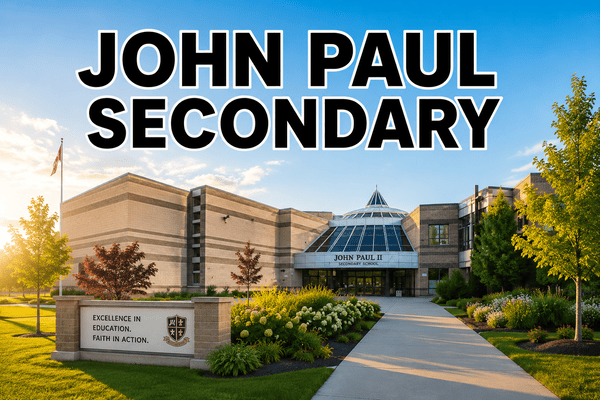
John Paul Secondary is more than just a school name; it represents education, opportunity, discipline, and community transformation. In many rural areas, access to quality secondary education can shape the future of young people who may otherwise face limited academic and career opportunities. John Paul Secondary has gained attention because of its role in supporting students, promoting learning, and serving families who value both academic excellence and character development.
For parents, students, and education-focused readers searching for information about john paul secondary, this article provides a clear and human-friendly overview of the school, its background, academic focus, student life, values, and frequently asked questions.
What Is John Paul Secondary?
John Paul Secondary is commonly associated with John Paul Secondary School in Chelekura, Pallisa District, Uganda. The school is known as a mixed day and boarding secondary institution offering both O Level and A Level education. It serves boys and girls and provides students with an environment where academic growth, discipline, and personal development are encouraged.
Why the School Matters
Secondary education plays a major role in preparing students for higher education, employment, leadership, and responsible citizenship. John Paul Secondary has become important because it helps bring secondary education closer to communities that may not always have easy access to strong educational facilities.
History and Background of John Paul Secondary
John Paul Secondary started with humble beginnings. Reports connected with the school’s history state that it opened in February 2007 with only 14 students. This small beginning makes its growth especially meaningful. Over time, the school expanded, welcomed more learners, and became a recognized educational institution in its area.
From Small Start to Growing Institution
Many successful schools begin with a simple mission: to educate, guide, and prepare young people for a better future. John Paul Secondary followed that path. Its development shows how community support, committed leadership, and consistent academic effort can turn a small school into an institution that serves hundreds of students.
A School Connected to Community Progress
John Paul Secondary is not only an academic institution; it also plays a community role. In areas where families may face financial, social, or geographic barriers to education, a reliable secondary school can reduce dropout risks and give students a real chance to continue learning.
Academic Focus at John Paul Secondary
The academic structure of john paul secondary includes O Level and A Level education. This is important because it allows students to continue their secondary learning within the same school environment, from earlier secondary classes to advanced-level preparation.
O Level Education
O Level education builds the foundation for students. At this stage, learners study core subjects, develop discipline, improve literacy and numeracy, and prepare for national examinations. A strong O Level system helps students understand their academic strengths and make better decisions about future subjects.
A Level Education
A Level education is more advanced and prepares students for university, professional training, and career paths. Students at this level usually choose subject combinations that align with their future goals. A school offering both O Level and A Level education gives learners continuity and stability.
Why Academic Continuity Matters
When students can move from O Level to A Level in the same school, they often benefit from familiar teachers, a known environment, and consistent academic expectations. This can help improve confidence, performance, and long-term planning.
Student Life at John Paul Secondary
Student life at john paul secondary includes classroom learning, discipline, personal responsibility, and community interaction. Since the school is described as both day and boarding, it supports different types of learners.
Day Students
Day students attend classes during the school day and return home afterward. This option can be helpful for families living near the school and for students who benefit from staying connected to home life while studying.
Boarding Students
Boarding students live at school during the term. Boarding education can help learners focus more deeply on studies, follow structured routines, and develop independence. It may also support students from distant communities who cannot travel daily.
Discipline and Character Building
A strong secondary school is not judged only by examination results. Character, discipline, respect, teamwork, and leadership also matter. John Paul Secondary is often discussed in connection with values-based education, which helps students grow into responsible young adults.
Why Parents Search for John Paul Secondary
Parents searching for john paul secondary usually want to know whether the school is reliable, disciplined, affordable, and academically serious. They may also want to know whether it offers boarding, whether girls and boys are both admitted, and whether students perform well in examinations.
Key Reasons Parents Consider the School
Parents may be interested in the school because it offers secondary education in a structured setting, supports both boys and girls, provides day and boarding options, and has gained attention for academic progress. For many families, these factors are important when choosing a secondary school.
Academic Performance and Reputation
Recent reports have highlighted John Paul Secondary’s academic progress, including strong performance in Uganda Certificate of Education results. While school performance can change from year to year, positive examination results often show that teachers, students, and administrators are working toward a common academic goal.
What Makes School Performance Strong?
Good academic performance usually depends on committed teachers, disciplined learners, supportive parents, proper study routines, and effective school leadership. A school that combines these elements can create an environment where students are motivated to succeed.
Beyond Exam Results
Although exam results are important, they are not the only measure of a good school. A strong institution should also help students become confident, ethical, hardworking, and prepared for life beyond the classroom.
Quick Info About John Paul Secondary
School Name
John Paul Secondary School
Common Short Form
John Paul Secondary or John Paul SS
Location
Chelekura, Pallisa District, Uganda
School Type
Mixed day and boarding secondary school
Education Levels
O Level and A Level
Student Focus
Academic excellence, discipline, character formation, and community development
FAQs About John Paul Secondary
What is john paul secondary?
John Paul Secondary refers to John Paul Secondary School, a mixed day and boarding secondary school commonly associated with Chelekura in Pallisa District, Uganda.
Where is John Paul Secondary located?
John Paul Secondary is located in Chelekura, Pallisa District, Uganda.
Is John Paul Secondary a boarding school?
Yes, the school is described as a mixed day and boarding secondary school, meaning it serves both day students and boarding students.
Does John Paul Secondary admit boys and girls?
Yes, John Paul Secondary is a mixed school, which means both boys and girls can study there.
Does John Paul Secondary offer O Level and A Level?
Yes, available public information describes the school as offering both O Level and A Level secondary education.
Why is John Paul Secondary important?
The school is important because it provides access to secondary education, supports academic development, and contributes to community progress in its region.
Conclusion
John Paul Secondary stands out as a school built on growth, opportunity, and educational purpose. From a modest beginning to becoming a recognized secondary institution, it reflects the value of dedication, community support, and consistent academic effort. For students, it offers a path toward knowledge and personal development. For parents, it represents a place where young people can receive structured education in a disciplined environment.